If Dogs Gave Relationship Advice (Honestly, We’d All Be Better Off)

Let’s be real: relationships are amazing… until they’re confusing. One minute you’re on cloud nine, the next you’re overanalyzing a text sent without an emoji. When things get messy, we usually turn to friends, family, or that one brutally honest group chat for advice. And while those perspectives matter, sometimes what we really need is a totally different point of view. One that’s grounded, loyal, and refreshingly simple.

Enter: dogs.

doodle dressed as cupid

They see us at our best, our worst, and our “I just cried over nothing” moments. They don’t judge, they don’t hold grudges, and they love with their whole hearts. Nobody understands unconditional love quite like your dog

So… what if we took relationship advice from them?

Man’s Best Friend (and Possibly Best Love Guru)

Our furry companions see us fully: the good moods, the bad days, the messy middle. They love us without conditions, expectations, or scorekeeping. And while they may not speak our language, the way they love speaks volumes.

Dogs have been by our sides for thousands of years. They read our emotions, respond to our energy, and offer comfort without needing an explanation. That emotional intelligence? It’s relationship gold. If dogs could give relationship advice, it would be simple, sincere, and surprisingly spot-on.

After all, dogs don’t overthink love. They live it. And that’s exactly why their advice hits differently.

Why Dogs Might Actually Be the Best Teachers

Dogs thrive on trust, routine, emotional awareness, and connection. They don’t overanalyze love; they practice it daily. They’re masters of loyalty, communication (hello, body language), and emotional presence. They don’t dwell on yesterday’s argument or stress about tomorrow’s plans. They show up — fully and honestly — every single day.

Watching how dogs form bonds offers a masterclass in healthy relationships, minus the drama. And if dogs could talk, here’s what they’d probably tell us about love:

The Relationship Advice Dogs Would Definitely Give

  1. Be Excited to See Each Other
    Dogs greet their favorite humans like it’s the best moment of their entire day. Every single time. Love should feel joyful, not forced. Showing genuine enthusiasm keeps the connection alive.
  2. Forgive Quickly
    Dogs don’t replay arguments or keep emotional scorecards. They forgive, reset, and move forward. Healthy relationships grow when we let go instead of holding on.
  3. Communicate Clearly
    Dogs respond best to consistency, tone, and actions. Mixed signals confuse them. And confuse people, too. Clear communication builds trust and emotional safety.
  4. Be Present
    When dogs spend time with you, they’re fully there. No distractions, no multitasking, just connection. Being present shows your partner they matter.
  5. Celebrate the Small Things
    Dogs find joy in simple moments: walks, treats, routines. Relationships don’t need grand gestures every day. Small acts of care matter just as much.
  6. Loyalty Is Everything
    Dogs are fiercely loyal because trust is their foundation. Showing up consistently builds security and deepens bonds over time.
  7. Respect Boundaries
    Even the most affectionate dogs know when to step back. Respecting space, emotional or physical, is a sign of real love.
  8. Love Unconditionally, But Know Your Worth
    Dogs give love wholeheartedly, but they also sense bad energy. Healthy love should feel safe, supportive, and mutual.

How to Take Relationship Cues From Your Dog

Watch how your dog loves: with patience, honesty, and presence. Their reactions teach us what consistency, care, and trust look like in real time.

Watch them. Learn from how they love. Notice how they respond to kindness, routine, patience, and trust. Dogs model healthy emotional behavior without ever trying. And that’s the real lesson.

Relationships don’t need to be complicated. Sometimes, the best advice is already curled up next to you, reminding you that love should feel safe, joyful, and real.

And honestly? Dogs get it.

More Helpful Reads From Wags About You
From planning and preparation to everyday puppy care, our articles are here to help you feel informed and confident as a pet parent. Check out the related posts below to keep learning with us.
If Dogs Gave Relationship Advice (Honestly, We’d All Be Better Off)

Let’s be real: relationships are amazing… until they’re confusing. One minute you’re on cloud nine, the next you’re overanalyzing a text sent without an emoji. When things get messy, we usually turn to friends, family, or that one brutally honest group chat for advice. And while those perspectives matter, sometimes what we really need is a totally different point of view. One that’s grounded, loyal, and refreshingly simple.

Enter: dogs.

They see us at our best, our worst, and our “I just cried over nothing” moments. They don’t judge, they don’t hold grudges, and they love with their whole hearts. Nobody understands unconditional love quite like your dog

So… what if we took relationship advice from them?

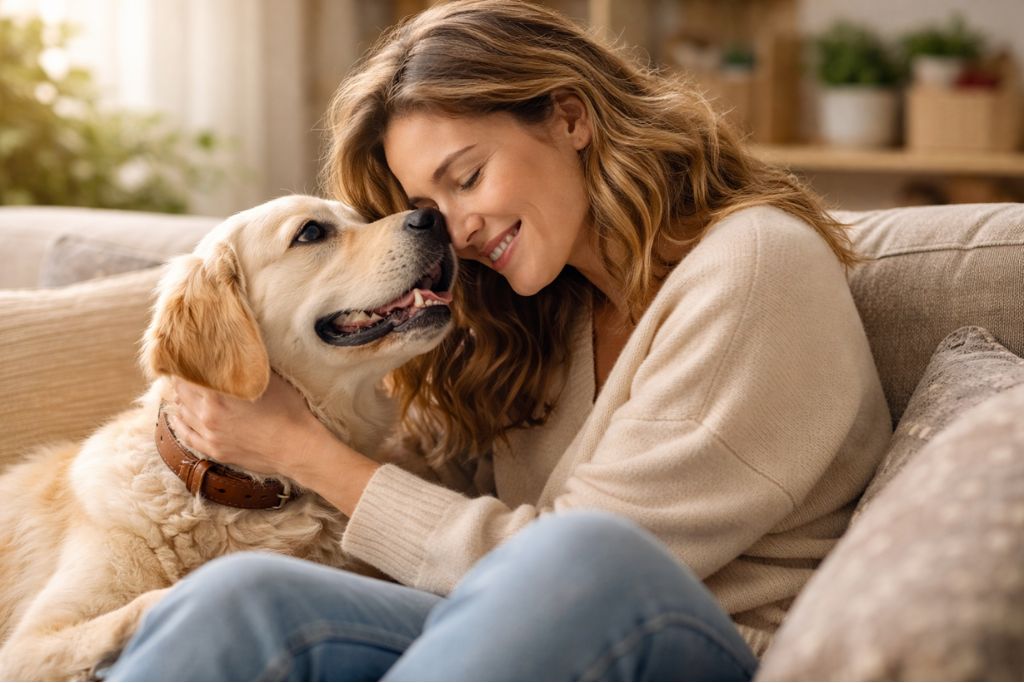
woman cuddling her dog on a couch

Man’s Best Friend (and Possibly Best Love Guru)

Our furry companions see us fully: the good moods, the bad days, the messy middle. They love us without conditions, expectations, or scorekeeping. And while they may not speak our language, the way they love speaks volumes.

Dogs have been by our sides for thousands of years. They read our emotions, respond to our energy, and offer comfort without needing an explanation. That emotional intelligence? It’s relationship gold. If dogs could give relationship advice, it would be simple, sincere, and surprisingly spot-on.

After all, dogs don’t overthink love. They live it. And that’s exactly why their advice hits differently.

Why Dogs Might Actually Be the Best Teachers

Dogs thrive on trust, routine, emotional awareness, and connection. They don’t overanalyze love; they practice it daily. They’re masters of loyalty, communication (hello, body language), and emotional presence. They don’t dwell on yesterday’s argument or stress about tomorrow’s plans. They show up — fully and honestly — every single day.

Watching how dogs form bonds offers a masterclass in healthy relationships, minus the drama. And if dogs could talk, here’s what they’d probably tell us about love:

The Relationship Advice Dogs Would Definitely Give

1. Be Excited to See Each Other

Dogs greet their favorite humans like it’s the best moment of their entire day. Every single time. Love should feel joyful, not forced. Showing genuine enthusiasm keeps the connection alive.

2. Forgive Quickly

Dogs don’t replay arguments or keep emotional scorecards. They forgive, reset, and move forward. Healthy relationships grow when we let go instead of holding on.

3. Communicate Clearly

Dogs respond best to consistency, tone, and actions. Mixed signals confuse them. And confuse people, too. Clear communication builds trust and emotional safety.

4. Be Present

When dogs spend time with you, they’re fully there. No distractions, no multitasking, just connection. Being present shows your partner they matter.

5. Celebrate the Small Things

Dogs find joy in simple moments: walks, treats, routines. Relationships don’t need grand gestures every day. Small acts of care matter just as much.

6. Loyalty Is Everything

Dogs are fiercely loyal because trust is their foundation. Showing up consistently builds security and deepens bonds over time.

7. Respect Boundaries

Even the most affectionate dogs know when to step back. Respecting space, emotional or physical, is a sign of real love.

8. Love Unconditionally, But Know Your Worth

Dogs give love wholeheartedly, but they also sense bad energy. Healthy love should feel safe, supportive, and mutual.

How to Take Relationship Cues From Your Dog

Watch how your dog loves: with patience, honesty, and presence. Their reactions teach us what consistency, care, and trust look like in real time.

Watch them. Learn from how they love. Notice how they respond to kindness, routine, patience, and trust. Dogs model healthy emotional behavior without ever trying. And that’s the real lesson.

Relationships don’t need to be complicated. Sometimes, the best advice is already curled up next to you, reminding you that love should feel safe, joyful, and real.

And honestly? Dogs get it.

How Much Exercise Does Your Puppy Really Need? A Complete Guide for Furparents

We all know the benefits of regular exercise, such as feeling energized, staying healthy, and keeping our minds sharp. Just like us, puppies need movement to thrive, and finding the right type and amount is essential for their growth, behavior, and overall happiness. Too little can lead to boredom or weight issues, and too much can put stress on their developing bodies.

So, how much exercise does your puppy really need? Let’s break it down.

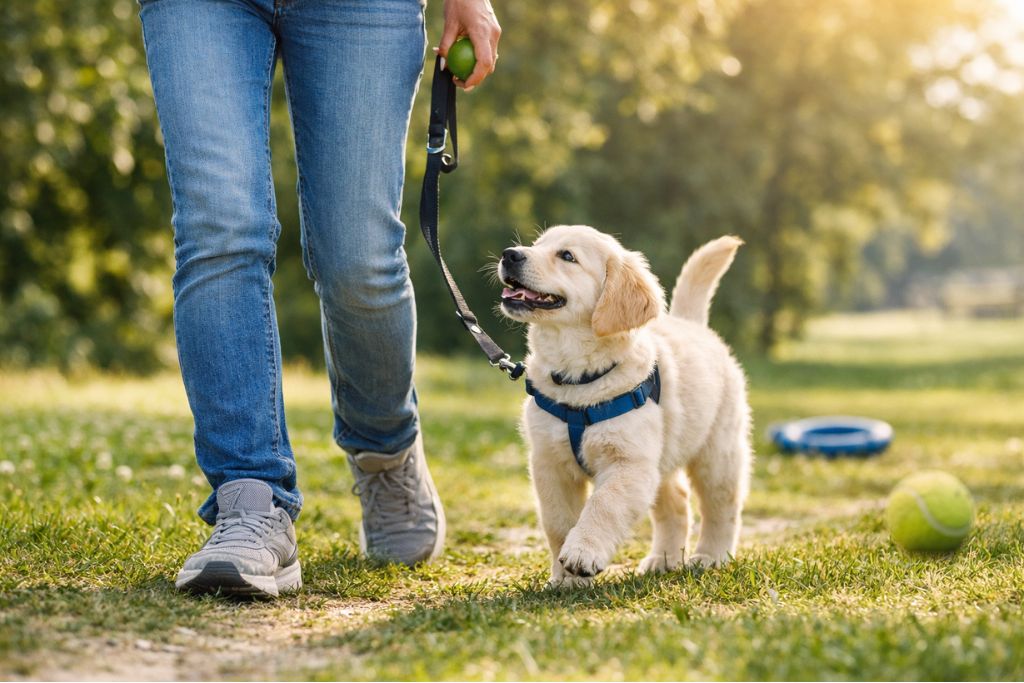
puppy walking on a leash with its owner outdoors

Why Puppies Need Exercise

Exercise isn’t just playtime. It’s crucial for your puppy’s development. Some key benefits include:

  • Physical health: Strengthens muscles, bones, and joints while preventing obesity.
  • Mental stimulation: Engages their brain, reducing destructive behaviors from boredom.
  • Social skills: Interaction with people, other dogs, and environments improves confidence.
  • Emotional well-being: Helps regulate mood and energy, leading to a calmer, happier pup.
  • Understanding these benefits helps set the stage for a healthy routine that balances activity with rest.

How Much Exercise Does Your Puppy Really Need?

There’s no one-size-fits-all, as breed, size, and age all play a role. A general rule of thumb is 5 minutes of structured exercise per month of age, up to twice a day. So, a 3-month-old puppy may need around 15 minutes of controlled activity at a time.

Breaking it down:

  • Short walks: Gentle strolls on a leash for puppies under 6 months. Avoid overexertion or long runs.
  • Play sessions: Interactive games like fetch, tug, or hide-and-seek, ideally 2–3 sessions per day.
  • Mental enrichment: Puzzle toys, scent games, and basic training exercises count as exercise too; mental workouts are just as important as physical.
  • Breed considerations: High-energy breeds like Border Collies or Huskies may need longer or more frequent activity, while smaller or less active breeds require gentler routines.

Consistency is key. Spread exercise throughout the day rather than one long session to prevent fatigue or injury.

Encouraging Exercise in Your Puppy

Motivation is everything! Use toys, treats, and praise to make activity enjoyable. Rotate toys to keep play interesting, and mix in short training sessions to stimulate their mind. Social walks with other puppies or friendly dogs can also make exercise fun while improving social skills.

Exercise is a cornerstone of a happy, healthy puppy. By providing the right amount of activity, both physical and mental, you’ll help your fur baby grow strong, confident, and well-adjusted. Pay attention to their energy, breed needs, and age, and always make exercise fun. Your puppy will thank you with wagging tails, joyful leaps, and endless cuddles.

Common Myths About Pet Stores That Sell Puppies, Debunked

Pet stores that sell puppies often spark strong opinions. A quick scroll online can surface alarming headlines or sweeping statements that make any prospective pet parent pause. When you’re thinking about welcoming a puppy into your life, it’s completely natural to want reassurance. The truth is, not everything you read tells the full story. And many widely shared beliefs are simply myths.

Understanding the facts helps you make informed, confident decisions. And when you’re working with a reputable, transparent pet store like Wags About You, those decisions can feel even more reassuring.

rottweiler puppy in play area

Why Separating Myth From Fact Matters

Choosing a puppy is a meaningful, life-changing decision. Knowing how responsible pet stores operate, and how they differ from unethical sellers, allows families to move forward with clarity, not fear.

Below, we’re breaking down some of the most common myths and sharing what responsible pet stores actually do.

Myth #1: “All Pet Store Puppies Come From Puppy Mills”

The Reality: Not all pet stores source puppies unethically. Responsible stores go beyond the bare minimum, working only with carefully vetted breeders who meet strict standards for care, health, and animal welfare. Many of these breeders are small-scale or family-run operations, who prefer focusing on raising healthy puppies rather than managing marketing or sales themselves.

By personally reviewing breeders, visiting facilities, and verifying living conditions, reputable pet stores act as a quality filter, ensuring puppies come from environments that prioritize health and humane treatment. This gives families confidence that the puppy they bring home has been cared for properly from the start.

Myth #2: “Pet Store Staff Don’t Know Anything About the Dogs”

The Reality: Reputable pet stores often employ staff who are passionate about animals and trained in breed-specific care. They understand differences in temperament, exercise needs, grooming requirements, and health considerations.

Rather than just “selling cute puppies,” knowledgeable staff act as matchmakers guiding families to a puppy that aligns with their lifestyle, home environment, and long-term expectations. This level of expertise is often more difficult to find elsewhere.

Myth #3: “There’s No Support After You Leave the Store”

The Reality: Many reputable stores offer robust post-purchase support that includes:

  • Health guarantees: Covering hereditary or congenital conditions for 1–3 years.
  • Training resources: Partnerships with local trainers or puppy preschool classes.
  • Lifetime rehoming policies: A safety net in case a family’s circumstances change.

This ongoing guidance helps families feel confident in raising a healthy, happy puppy and ensures support is always available.

Myth #4: “Pet Store Puppies Aren’t Socialized”

The Reality: Puppies in responsible stores are handled daily by staff, exposed to different people, sounds, and other puppies, and even experience routine household-like environments. This early exposure helps them develop social skills, reduces fearfulness, and fosters adaptability, setting them up for smoother transitions into forever homes.

Myth #5: “Buying From a Store Is Always Irresponsible”

The Reality: Responsible pet stores are not only ethical; they are often the safest, most transparent option for families of all types. Whether you’re a first-time dog owner, a busy family, or someone seeking a particular breed, a reputable store provides guidance, accountability, and high standards of care.

For families with specific needs, like allergy-friendly breeds, predictable size, or temperament, these stores can provide options that shelters or unverified online sellers cannot reliably guarantee. By offering a legal, regulated marketplace, they prevent people from turning to risky or unverified sources and ensure every puppy comes from a healthy, humane environment.

The Bottom Line: Facts Bring Peace of Mind

There’s a lot of noise online, but separating myth from fact is key to making the best choice for your family and your future furry friend. By understanding how reputable pet stores operate, families can feel informed, confident, and excited about their puppy journey.

At Wags About You, transparency, care, and responsible practices are at the heart of everything we do, because bringing home a puppy should feel joyful, informed, and deeply reassuring from the very beginning.

More Helpful Reads From Wags About You
From planning and preparation to everyday puppy care, our articles are here to help you feel informed and confident as a pet parent. Check out the related posts below to keep learning with us.

Puppy Buying 101: Red Flags to Watch For

Are Wags About You Puppies Healthy?